trending
 Bulgakov
The reply guy is a recurring figure on social networks. He appears reliably, he appears often, and he almost never has anything genuinely useful to say.

 Lars Becker
President Donald Trump posted a stark warning on Truth Social on April 7, declaring that "a whole civilization will die tonight, never to be brought back again" as his self-imposed deadline for Iran to reopen the Strait of Hormuz ticks down to zero.

The anonymous voices behind the geopolitical podcast Russians With Attitude Podcast may not be anonymous anymore.
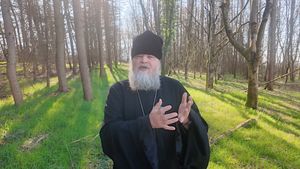
An English born Orthodox priest has amassed hundreds of thousands of followers with his sermons filmed in the countryside, and yes, there are even edits of him set to Minecraft backgrounds. Here's everything you need to know about Father Spyridon Bailey.
Drag queen and environmental activist Pattie Gonia has gone viral after posting a video of herself bench-pressing 130 lbs in full drag, directly taunting Secretary of Defense Pete Hegseth.

Ahmed al-Scharaa, Syria's transitional president and a man who until recently was better known by his jihadist war name Abu Mohammed al-Julani, touched down in Berlin for his first official state visit.